Free Shipping on all Orders above ₹499/-

What is the difference between Chinese Star Anise vs Japanese Star Anise, which is safe to consume?

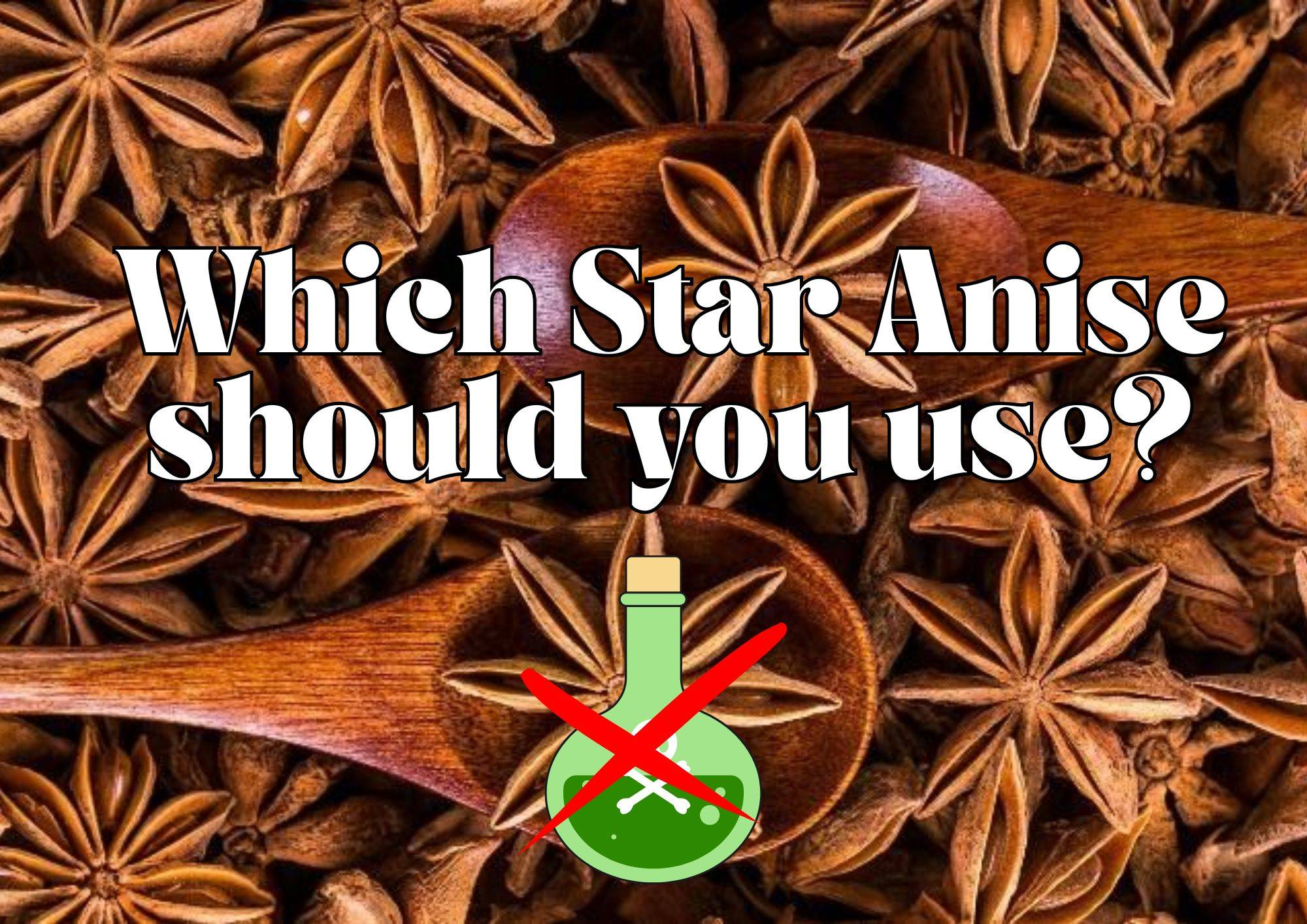
“They look almost identical. But one belongs in your kitchen — and the other belongs nowhere near your food.” Here’s everything you need to know about star anise before you cook with it. It is a core ingredient in Chinese five-spice powder and is widely used across Vietnamese, Indian, and Southeast Asian cuisines. Globally, star anise also became one of the key sources of shikimic acid — the primary compound used to manufacture Tamiflu, the antiviral drug. So this small, eight-pointed spice has had a surprisingly large footprint in both kitchens and medicine cabinets.
A Quick History of Star Anise
Star anise has been around for over 3,000 years, originating in the Yunnan province of southern China. Ancient Chinese healers used it as a digestive remedy and breath freshener long before it made its way into cooking. By the 16th century, traders had brought it into Europe, where it became a prized spice in everything from mulled wine to liqueurs like Pastis and Sambuca.
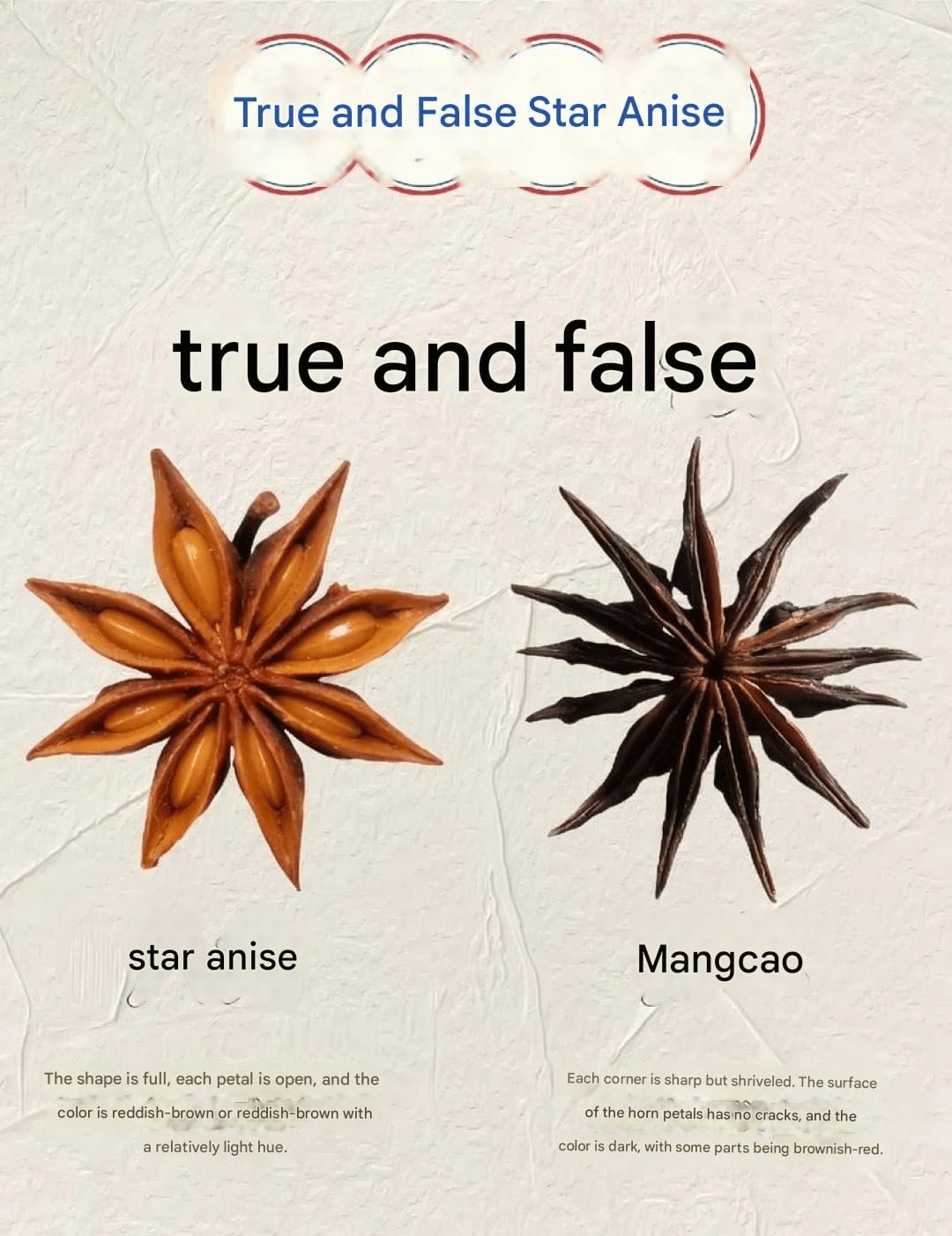
Difference between Chinese Star Anise vs Japanese Star Anise
What Is Chinese Star Anise?
Chinese star anise (Illicium verum) is the variety you find in every grocery store, spice rack, and dal tadka. It has a bold, sweet, slightly licorice-like flavour and is perfectly safe for regular consumption — in food amounts. Here is what defines it:
- Botanical name: Illicium verum — the “true” star anise
- Origin: Southern China and northern Vietnam
- Appearance: Firm, dark reddish-brown pods with 8 neat, symmetrical points — like a small wooden star
- Flavour: Deep, warm, anise-like with a hint of sweetness — similar to but stronger than regular anise seeds
- Uses: Biryani, pho, five-spice powder, chai, braised meats, marinades, mulled wine
- Safety: Completely safe to eat in normal cooking quantities. Used worldwide for centuries.
What Is Japanese Star Anise?
Japanese star anise (Illicium anisatum), also known as shikimi, is a different plant entirely — and a dangerous one. It looks almost identical to Chinese star anise at a glance, which is precisely what makes it so dangerous. It has historically been used in Japan as a ritual plant burned at Buddhist funerals and temples — not eaten.
- Botanical name: Illicium anisatum — a completely separate species
- Origin: Japan, Korea, and parts of southern China
- Appearance: Similar star-like shape but pods are often more irregular, smaller, and lighter in colour
- Smell: Less sweet, slightly more bitter or camphor-like on close inspection
- Active toxin: Contains anisatin — a neurotoxin and convulsant
- Uses: Religious incense, ornamental plant — never food
Consuming Japanese star anise can cause serious poisoning — symptoms include nausea, vomiting, seizures, rapid heartbeat, and neurological damage. There have been documented poisoning cases in the EU and the US where contaminated “herbal teas” contained Japanese star anise mixed in with the real thing.
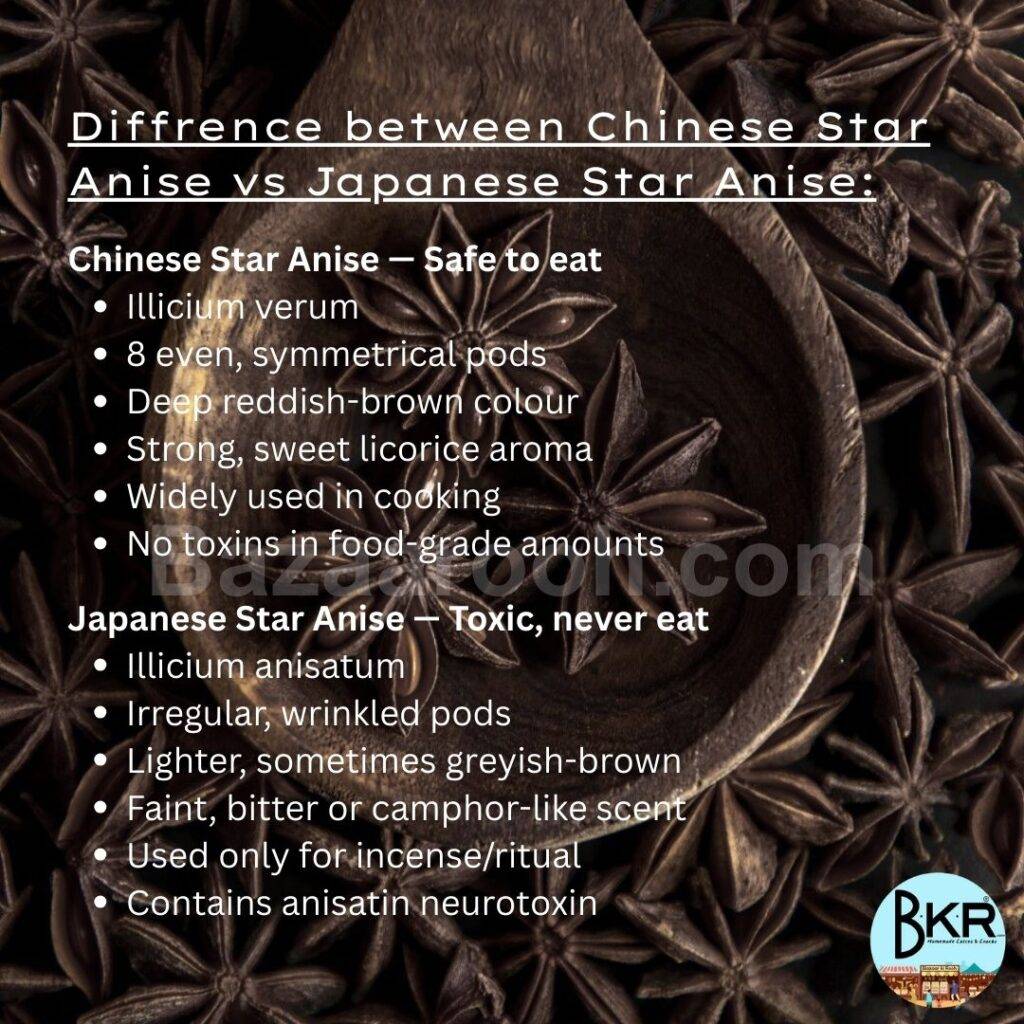
How to Tell Them Apart Before You Buy
- Count the points: Genuine Chinese star anise typically has 8 uniform points. Japanese pods are irregular and may have fewer or misshapen points.
- Smell it: Real star anise smells unmistakably sweet and anise-like. Japanese star anise has a harsher, more medicinal or camphor-like scent. If it does not smell “right” — trust your nose.
- Check the colour: Chinese star anise is a rich, deep reddish-brown when whole. Japanese pods tend to look duller or lighter.
- Buy from reliable sources: Stick to reputable spice brands or stores with high turnover. Avoid loose herbal mixes from unknown sources, especially for herbal teas.
- Look at the label: Packaging should specify Illicium verum. If the Latin name is absent or unclear, that is reason enough to skip it.
If you are buying star anise for cooking — especially for Indian or Asian recipes — you are almost certainly getting Chinese star anise. It is the commercially available variety worldwide. Japanese star anise is not sold as a food spice anywhere legally.
Conclusion
Chinese star anise and Japanese star anise may look like close cousins, but they could not be more different in terms of safety and purpose. Chinese star anise is a beloved culinary spice with thousands of years of history, rich flavour, and a clean safety record when used in cooking. Japanese star anise, on the other hand, is a toxic plant that has no place in food — ever.
The good news? As long as you are buying star anise from a proper spice brand or grocery store, you are almost certainly holding the right one. The risk lies primarily in unlabelled herbal teas, loose botanical mixes, or unknown sources. When in doubt — smell it, look at it closely, and always check the label for Illicium verum. Your biryani and your health will both thank you for it.